ISP là gì? ISP, viết tắt của Internet Service Provider, là nhà cung cấp dịch vụ internet cho cá nhân và doanh nghiệp. Họ cung cấp kết nối internet, đường truyền và các dịch vụ liên quan để người dùng có thể truy cập mạng và sử dụng các ứng dụng trực tuyến. Tìm hiểu thêm về vai trò quan trọng của ISP trong cuộc sống hàng ngày chúng ta!
ISP là gì

ISP (Internet Service Provider) là nhà cung cấp dịch vụ internet, tức là các công ty hoặc tổ chức cung cấp cho người dùng cá nhân và doanh nghiệp truy cập internet thông qua các kết nối mạng. ISP đóng vai trò quan trọng trong việc kết nối khách hàng với internet và cung cấp dịch vụ truyền tải dữ liệu, email, web hosting và các dịch vụ liên quan khác.
Vai trò chính của ISP là cung cấp cho người dùng cá nhân và doanh nghiệp kết nối mạng để truy cập internet. ISP có thể sử dụng các công nghệ khác nhau để kết nối khách hàng với internet, bao gồm cáp quang, DSL (Digital Subscriber Line), dial-up và mạng di động. Ngoài ra, ISP có thể cung cấp các dịch vụ bổ sung như lưu trữ web, email và máy chủ ảo.
Vai trò của ISP:
- Cung cấp kết nối mạng: ISP cho phép người dùng cá nhân và doanh nghiệp kết nối với internet thông qua các kỹ thuật và công nghệ khác nhau.
- Cung cấp dịch vụ truyền tải dữ liệu: ISP cho phép người dùng truyền tải dữ liệu qua mạng internet, bao gồm email, truy cập web và các ứng dụng trực tuyến khác.
- Cung cấp dịch vụ lưu trữ: Một số ISP cung cấp dịch vụ lưu trữ web và email, cho phép người dùng cá nhân và doanh nghiệp có thể lưu trữ thông tin và gửi/nhận email.
- Quản lý mạng: ISP quản lý và duy trì hệ thống mạng của mình để đảm bảo kết nối liên tục và ổn định cho khách hàng.
Chức năng của ISP:
- Kết nối khách hàng với internet: Chức năng chính của ISP là kết nối người dùng cá nhân và doanh nghiệp với internet thông qua các kỹ thuật và công nghệ kết nối mạng.
- Cung cấp địa chỉ IP: ISP cung cấp địa chỉ IP cho khách hàng để họ có thể được xác định trong mạng internet.
- Truyền tải dữ liệu: ISP cho phép người dùng truyền tải dữ liệu qua mạng internet, bao gồm email, truy cập web và các ứng dụng trực tuyến khác.
- Quản lý mạng: ISP quản lý và duy trì hệ thống mạng của mình để đảm bảo kết nối liên tục và ổn định cho khách hàng.
Nhà cung cấp dịch vụ internet
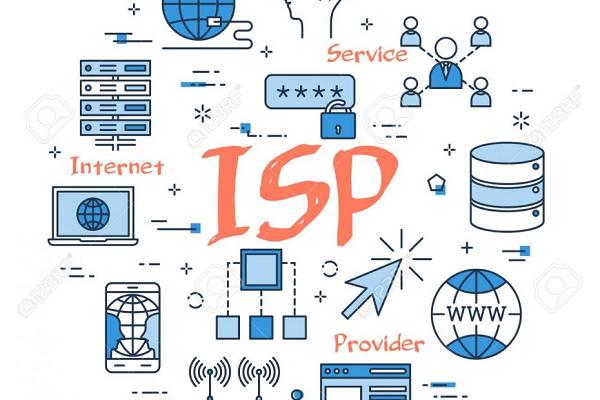
Internet đã trở thành một phần không thể thiếu trong cuộc sống hàng ngày của chúng ta. Để có thể truy cập internet, chúng ta cần sử dụng dịch vụ từ một nhà cung cấp internet (ISP). Nhà cung cấp dịch vụ internet là công ty hoặc tổ chức có khả năng kết nối người dùng đến mạng internet thông qua các công nghệ và hạ tầng phù hợp.
Có nhiều nhà cung cấp dịch vụ internet trên thị trường hiện nay, bao gồm các công ty viễn thông lớn, nhà cung cấp cáp quang và các công ty viễn thông di động. Mỗi nhà cung cấp có những ưu điểm và hạn chế riêng, do đó người dùng nên xem xét kỹ lưỡng trước khi lựa chọn một nhà cung cấp phù hợp với nhu cầu của mình.
Kết nối mạng toàn cầu
Mạng toàn cầu, hay Internet, là một hệ thống liên kết các máy tính và thiết bị thông qua giao thức TCP/IP để truyền tải thông tin. Kết nối mạng toàn cầu cho phép người dùng truy cập vào các tài nguyên và dịch vụ trên khắp thế giới.
Để kết nối đến mạng toàn cầu, người dùng cần sử dụng một nhà cung cấp dịch vụ internet (ISP) hoặc một nhà cung cấp mạng di động. ISP sẽ kết nối người dùng đến internet thông qua các thiết bị và hạ tầng của họ. Mạng di động sử dụng sóng điện từ để truyền tải thông tin giữa các thiết bị di động và mạng toàn cầu.
Các công nghệ kết nối mạng toàn cầu:
- Quang cáo
- Satellite
- Mạng viễn thông
- Mạng di động
Dial up, internet tốc độ cao, DSL
Dial up
Dial-up internet is a type of internet connection that uses a telephone line to connect to the internet. It was one of the earliest forms of internet access and was popular in the 1990s. With dial-up, users would have to dial a specific phone number using a modem and wait for the connection to be established. The speed of dial-up internet is relatively slow compared to other types of connections, with typical speeds ranging from 56 kilobits per second (Kbps) to 128 Kbps.
Internet tốc độ cao
Internet tốc độ cao (high-speed internet) refers to any type of internet connection that provides faster speeds than traditional dial-up. There are several technologies that fall under this category, including DSL, cable, and fiber optic connections. These types of connections offer significantly higher speeds, allowing users to download and upload data at much faster rates. High-speed internet is essential for activities such as streaming videos, online gaming, and large file transfers.
DSL
DSL (Digital Subscriber Line) is a type of high-speed internet connection that uses existing telephone lines to transmit data. It operates on different frequencies than voice calls, allowing users to use the phone line for both voice communication and internet access simultaneously. DSL offers faster speeds than dial-up but may not be as fast as cable or fiber optic connections. It is widely available in many areas and is a popular choice for residential and small business users.
Fiber Internet
Fiber Internet refers to an internet connection that utilizes fiber optic cables to transmit data. Fiber optic cables are made up of thin strands of glass or plastic that can carry large amounts of data over long distances at extremely high speeds. Fiber Internet offers the fastest and most reliable internet speeds currently available, with typical speeds ranging from 100 Mbps to 1 Gbps (Gigabit per second) or even higher. This type of connection is ideal for heavy internet users, businesses, and those who require fast and stable connections for activities such as video conferencing, cloud computing, and online gaming.
Tốc độ truy cập internet
Tốc độ truy cập internet (internet access speed) refers to the speed at which data can be transmitted and received over an internet connection. It is measured in terms of download and upload speeds, usually expressed in megabits per second (Mbps) or gigabits per second (Gbps). The speed of an internet connection can vary depending on various factors such as the type of connection, network congestion, distance from the service provider’s infrastructure, and the quality of equipment used. Higher internet access speeds allow for faster web browsing, quicker downloads/uploads, smoother streaming experiences, and better overall performance.
Xem dữ liệu từ các trang web không mã hóa
When accessing websites that are not encrypted (non-HTTPS), there is a risk that sensitive information transmitted between the user’s device and the website can be intercepted by malicious actors. This includes personal data such as login credentials, credit card information, or any other confidential information entered on these websites. To protect against this risk, it is recommended to avoid accessing non-encrypted websites when transmitting sensitive information. Users should look for websites that have HTTPS in their URL or display a lock icon in the browser’s address bar indicating a secure connection.
Theo dõi thông tin và lưu lượng người dùng
Tracking user information and traffic refers to the collection and analysis of data related to users’ online activities and the amount of data they consume. This information can include browsing history, search queries, IP addresses, device information, and more. Service providers and websites often track this data for various purposes such as improving user experience, personalizing content, targeted advertising, or monitoring network performance. It is important for users to be aware of the tracking practices of the services they use and take necessary steps to protect their privacy if desired. This may include using virtual private networks (VPNs), browser extensions that block tracking cookies, or adjusting privacy settings on devices and applications.
Cách hạn chế thông tin bị rò rỉ
To limit information leakage (data leaks) and protect sensitive information online, there are several measures that individuals can take:
Use strong passwords
Creating strong passwords that are unique for each online account can help prevent unauthorized access to personal information. Strong passwords typically include a combination of uppercase and lowercase letters, numbers, and special characters.
Enable two-factor authentication
Two-factor authentication adds an extra layer of security by requiring users to provide additional verification in addition to their password when logging into an account. This can be in the form of a unique code sent to a mobile device or biometric authentication such as fingerprint or facial recognition.
Encrypt sensitive data
Encrypting sensitive data ensures that even if it is intercepted during transmission or stored on a device or server, it cannot be accessed without the encryption key. Encryption tools are available for various devices and applications to protect files, emails, and other forms of communication.
Avoid sharing sensitive information online
Being cautious about sharing personal or sensitive information online can help reduce the risk of it being leaked or falling into the wrong hands. This includes avoiding posting personal details on social media platforms or sharing confidential information through unsecured channels.
Regularly update software and use security tools
Keeping software, operating systems, and security tools up to date helps protect against known vulnerabilities and exploits. Regularly installing updates and using antivirus or antimalware software can help prevent unauthorized access and data breaches.
Be cautious of phishing attempts
Phishing is a common method used by cybercriminals to trick individuals into revealing sensitive information. Being vigilant about suspicious emails, messages, or websites that request personal information can help avoid falling victim to phishing attacks.
ISP (Internet Service Provider) là một nhà cung cấp dịch vụ internet, đảm bảo kết nối và truyền thông tin giữa người dùng và internet. ISP cung cấp các gói dịch vụ internet khác nhau để phù hợp với nhu cầu của khách hàng. Qua bài viết, ta đã hiểu rõ hơn về khái niệm này và vai trò quan trọng của ISP trong việc mang lại sự kết nối mạnh mẽ và ổn định cho người dùng.